


BBlunt Salon, HRBR Layout, bengaluru
 INRhttps://salons.bblunt.com/bblunt/salons-in-bengaluru/salons-in-hrbr-layout/bblunt-salon-in-hrbr-layout-bengaluru--khmJqR/articles/the-cool-shift-why-ash-tones-are-trending-in-india--7440f5db-e108-4afa-a1a9-550ec9934300
Ground Floor 606, 4th Cross Road, CMR Main Road, HRBR Layout 2nd Block, Kalyan Nagar, Near Domino's, HRBR Layout, bengaluru, karnataka - 560043
BBlunt Salon Social Feeds in HRBR Layout, bengaluru
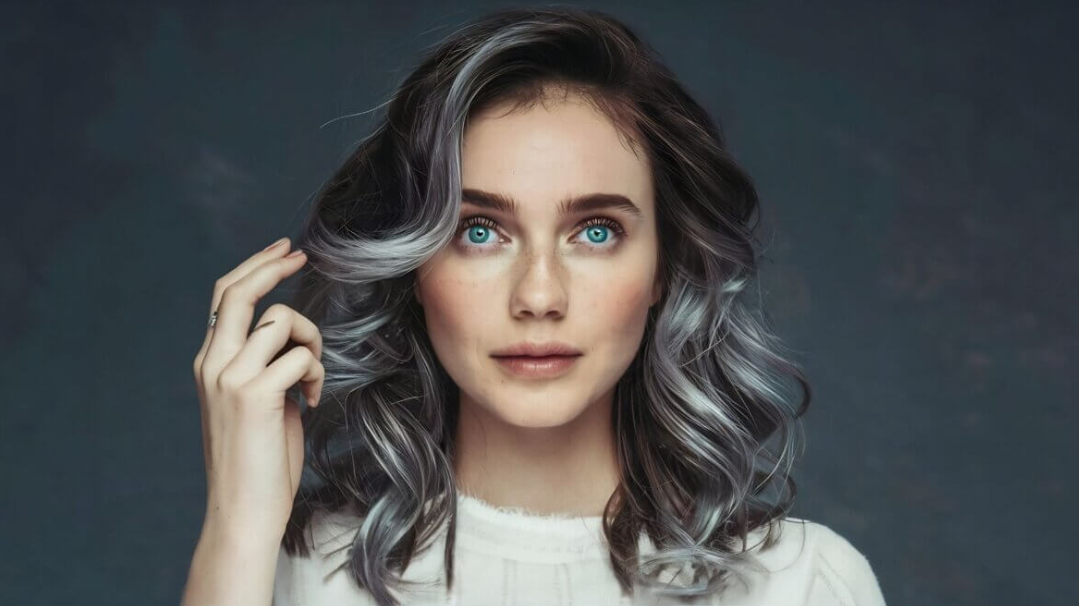
The Cool Shift: Why Ash Tones Are Trending in India
Ash-based hair colours are having a defining moment in India. What was once seen as a niche choice reserved for the fashion-forward ones, ash tones is now a part of the mainstream. In a conversation with Vidhi Arya, Nisha Popat, National technical head, Bblunt India explains the nuances of the hype.
Ash tones are trending at the moment. For its rich look, easy maintenance, and also uniqueness, they are appealing equally to clients seeking sophisticated makeovers, those looking for softer grey blending, and those who wish to experiment with their hair. From ash brown and mushroom brunettes to smoky silver finishes, the trend reflects a larger movement towards cooler, subtler, and more “expensive-looking” hair.
According to Nisha Popat, National Technical Head, BBlunt India, the popularity of ash is due to aesthetics as well as practicality. “Ash tones are trending because they give a cool, natural, and premium look without unwanted warmth or brassiness. They blend well with natural hair, grow out softly, and need less maintenance, which clients love. Plus, with the shift toward subtle, ‘expensive-looking’ hair and strong influence from social media, ash shades feel modern, wearable, and versatile across skin tones.”
This balance of aspiration and ease is exactly what makes the trend resonate so strongly in India today.
Why Ash Tones Works So Well for Grey Blending
The main reason ash tone is trending is because it blend greys more seamlessly than warmer shades. Unlike caramel, copper, or golden hues, ash shades work with the natural cool base of grey hair rather than against it.
Popat explains, “Ash tones match the natural cool/silver base of grey hair, so they blend better and look softer, while warm shades can make greys stand out.”
This softer regrowth effect is favourable for clients who want a polished look without the obvious line of demarcation that often comes with traditional full-coverage colour. The shift, therefore, is also about creating colour solutions that feel more natural and effortless.
Ash Tones Are Trending Across Age Groups
Interestingly, ash is not limited to one type of client. While grey blending has made it a go-to choice for mature clients, younger consumers are equally driving the trend through experimentation.
“Natural, soft blend, no brassiness, and low-maintenance grow-out,” are among the most common expectations clients bring into the salon, says Popat.
She points out the clear demographic split: “30+ clients mainly opt for grey blending and softer regrowth. On the other hand, younger clients like it more for its trending appeal and experimentation (smoky, cool tones).”
This dual appeal makes ash uniquely versatile. It serves as both a functional grey-management solution and a fashion statement, helping explain why it has moved from a seasonal trend into a larger colour category.
The Indian Skin Tone Conversation
A common misconception is that ash tones only flatter lighter complexions. In reality, the Indian market is proving otherwise. That’s obviously as long as the colour is customised correctly.
“Ash works very well for Indian skin tones, especially if customised. Go for soft ash (beige/mushroom/cool brown) instead of flat grey,” Popat advises. “It also helps control brassiness from sun and humidity, making it practical and low-maintenance.”
This is especially relevant in Indian climates, where sun exposure, pollution, and humidity can quickly pull unwanted warmth to the surface. Softer ash variations such as mushroom brown and cool beige brunettes allow stylists to create wearable tones that complement deeper and warmer skin undertones without washing the face out.
The Most Requested Ash Shades Right Now
Among the many variations, certain ash shades are clearly leading salon requests.
Popat notes, “Ash brown tones are most popular. They look natural and are low maintenance. Mushroom brown is a soft, neutral ash and it’s very much in-demand. Ash blonde is trendy and it is more fashion-forward. Additionally, soft silver or smoky tones are niche; they are fit for experimental clients.”
Techniques Driving the Trend
The rise of ash tones has also transformed salon colouring techniques. Rather than focusing on dense, opaque coverage, today’s stylists are prioritising seamless blending.
According to Popat, some useful techniques are:
- “Balayage / babylights: Soft highlights to blend greys
- Root smudge: Diffuses regrowth line
- Toning / gloss: Neutralises warmth for cool ash finish
- Lowlights / colour melt: Adds depth so greys don’t stand out.”
She summarises the modern approach simply: “The focus is on blending, not full coverage for a natural ash look.”
This reflects the broader “lived-in colour” movement, where the goal is believable softness and dimension rather than a flat all-over tone.
Where Hair Artists Often Go Wrong
Despite its popularity, ash is one of the more technically demanding colour families. The margin for error is slim, and poor execution can quickly lead to dullness or uneven tones.
Popat highlights common mistakes include:
- “Over-ashing the hair: ends up dull, flat, or grey-looking
- Ignoring underlying warmth: leads to patchy or uneven results
- Wrong skin tone match: can make clients look washed out
- Over-lightening: damage without achieving clean ash
- Poor maintenance advice: ash fades fast without correct home care.”
Her key takeaway is clear: “Balance is key—neutralise, don’t over-cool, and always customise.”
The Maintenance Rulebook
Ash tones are known for fading into warmth if not maintained correctly, making aftercare essential to the client journey.
Popat recommends:
- “Purple/blue shampoo (2–3x/week) to control brassiness
- Sulfate-free shampoo for regular washes
- Weekly hair mask to prevent dryness
- Slon toner/gloss every 4–6 weeks,”
- She also adds a practical caution: “Avoid overusing purple shampoo + always use heat protection.”
In essence, as she puts it, “Tone, hydrate, and protect to keep ash fresh.”
More Than a Trend
Looking ahead, ash tones appear less like a fleeting phase and more like part of a lasting shift in Indian hair colour preferences.
“Ash tones aren’t just a short trend, they’re part of a bigger shift toward cooler, softer, natural-looking hair,” says Popat. “Clients want low-maintenance, blended colours. Preference is moving from warm/brassy to clean, neutral-cool tones. Techniques now focus on ‘lived-in’ and subtle finishes.”
The future of colour, then, seems rooted in softness, wearability, and understated luxury. Ash may be the face of the moment, but it ultimately represents something larger: India’s move towards effortless, personalised, and modern hair colour.